

















20 Low-Light Houseplants That Are Safe For Pets
Welcome to our vet-verified guide to 20 low-light houseplants that are genuinely safe for pets. If you're a plant enthusiast and a pet lover, you know how important it is to create a safe and harmonious environment for both your green companions and your furry friends. In this guide, we explore a diverse selection of houseplants that thrive in low-light conditions while being certified non-toxic to cats and dogs by the ASPCA. Whether you're a seasoned plant parent or just beginning your indoor jungle journey, every pick here can coexist peacefully with your pets.

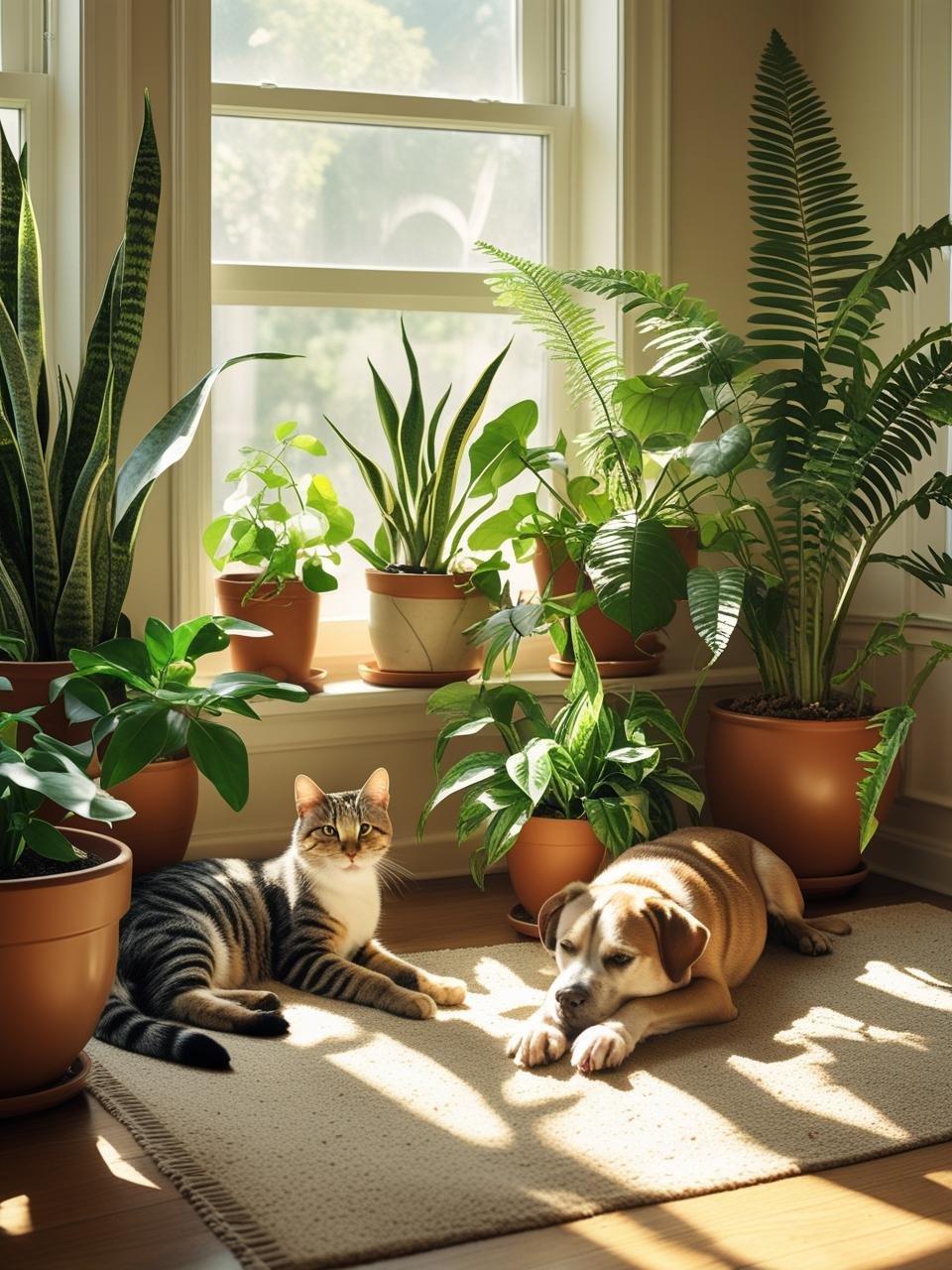
A cat exploring non-toxic houseplants — exactly the peace of mind this guide is designed to give you. 📷 Unsplash
Why Choose Low-Light Houseplants?
In the realm of indoor gardening, low-light houseplants hold a special allure. These resilient plants have adapted to thrive in environments with minimal natural light, making them perfect for apartments, north-facing rooms, offices, and dimly lit hallways.
Embracing Versatility
Low-light houseplants are incredibly versatile, suitable for a wide range of indoor environments. Whether you live in an apartment with few windows or have a room lacking direct sunlight, these plants can thrive and add a touch of greenery to any space.
Enhancing Indoor Spaces
From dark corners to dimly lit hallways, low-light plants can transform even the dreariest rooms into vibrant sanctuaries. With their lush foliage and unique textures, they serve as natural decor elements that genuinely elevate the aesthetic appeal of your home.
Promoting Relaxation and Well-Being
Research published in the Journal of Physiological Anthropology suggests that interactions with indoor plants can reduce physiological and psychological stress. Low-light houseplants, with their calming presence and air-quality benefits, create a soothing atmosphere conducive to relaxation — and letting your pet curl up beside them only adds to the calm.
Pet Safety and Houseplants
Creating a pet-friendly indoor garden means going beyond aesthetics. The ASPCA's Animal Poison Control Center lists hundreds of toxic plants — and several widely popular "beginner" plants are among them. Here's what every pet owner needs to know.
🚫 Plants Commonly Mislabeled as "Pet Safe" — They Are NOT
- ZZ Plant (Zamioculcas zamiifolia) — contains calcium oxalate crystals; toxic to cats and dogs
- Snake Plant (Sansevieria trifasciata) — causes nausea, vomiting, and diarrhea in cats and dogs
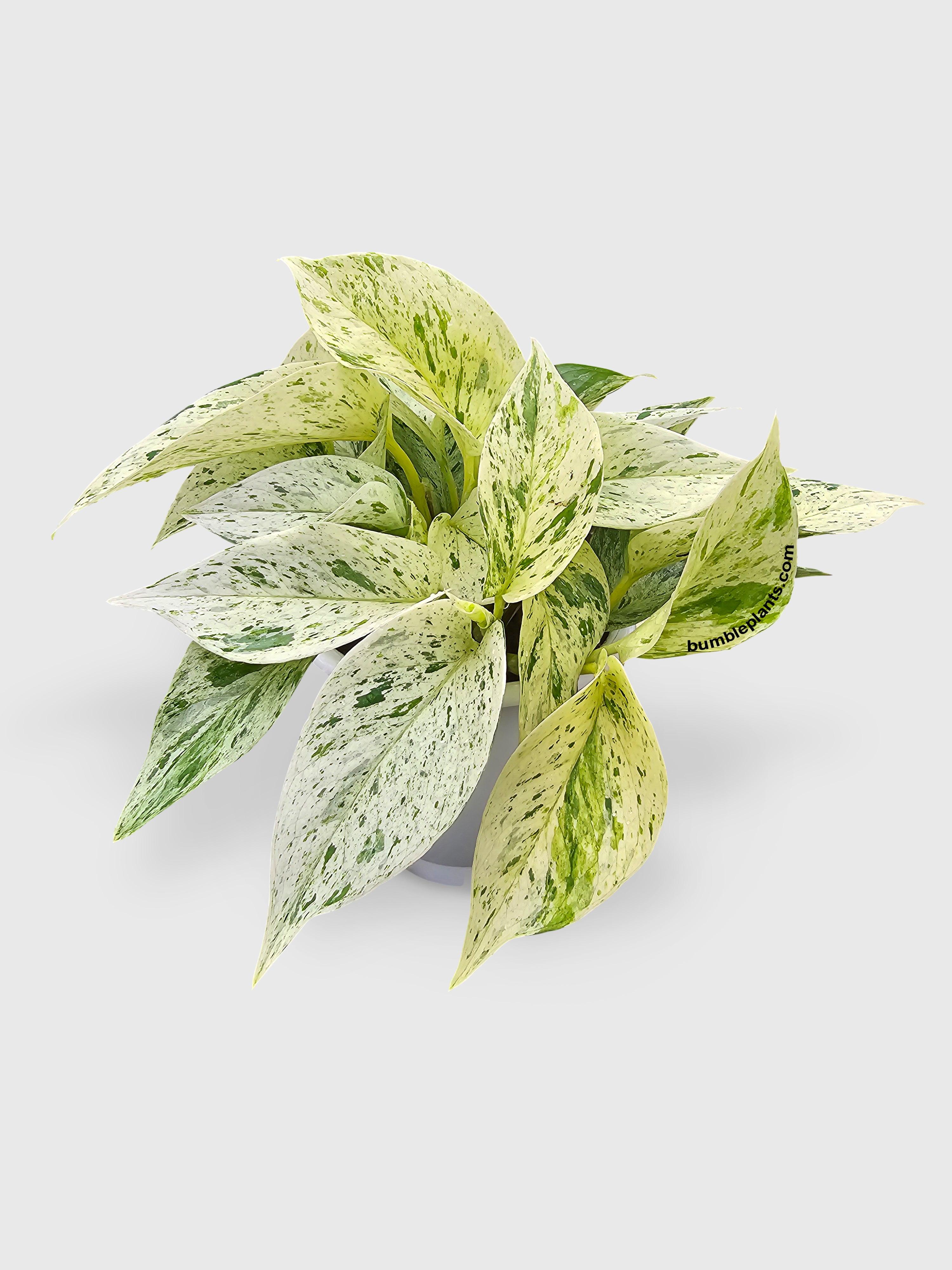
- Pothos (Epipremnum aureum) — causes oral irritation, drooling, vomiting; toxic to cats and dogs
- Peace Lily (Spathiphyllum spp.) — causes significant oral irritation and potential kidney issues; toxic to cats and dogs
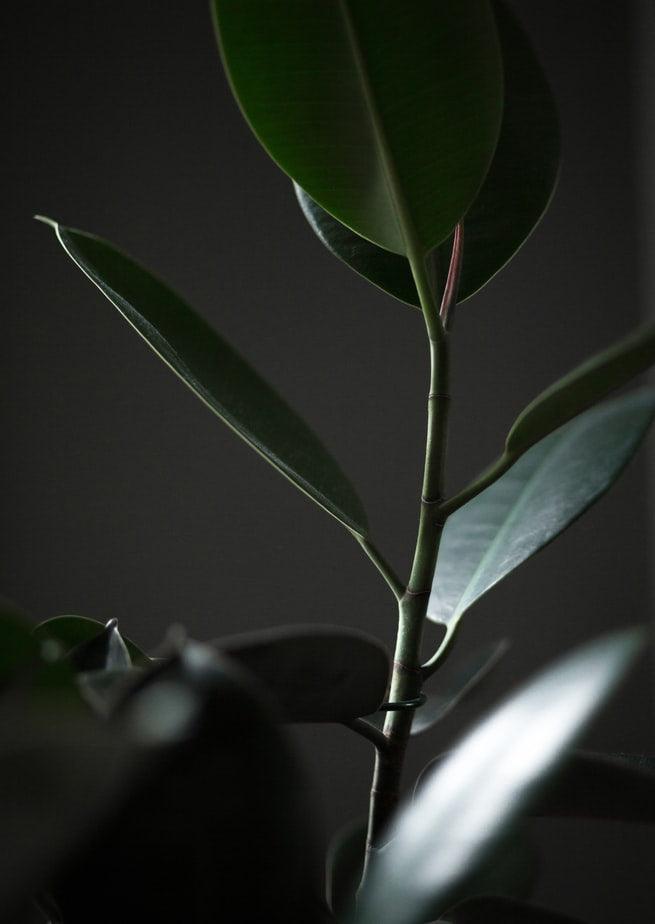
- Fiddle Leaf Fig (Ficus lyrata) — causes dermal and GI irritation; toxic to cats and dogs
- Philodendron (Philodendron spp.) — contains calcium oxalate crystals; toxic to cats and dogs
Understanding Plant Toxicity
Many common houseplants contain compounds — such as calcium oxalate crystals, saponins, or insoluble oxalates — that can cause anything from mild oral irritation to serious systemic illness in pets. Always cross-reference the ASPCA's Toxic and Non-Toxic Plant List before purchasing a new plant.
Identifying Truly Pet-Safe Options
Genuinely pet-safe plants are non-toxic and can coexist peacefully with cats and dogs. The 20 plants in this guide are verified non-toxic by the ASPCA — meaning even a curious nibble won't cause harm (though you should still discourage chewing, as large quantities of any plant matter can cause mild GI upset).

Pet-safe ferns and tropical plants on an indoor shelf. 📷 Unsplash
Factors to Consider When Choosing Houseplants
Selecting pet-friendly houseplants involves balancing several practical considerations. Here are the four most important:
-
Pet Behavior Curious cats and teething puppies may chew anything within reach. Even with non-toxic plants, observe behavior and place plants in lower-traffic zones if your pet is particularly adventurous.
-
Plant Toxicity Always verify toxicity status via the ASPCA database before purchasing. Labels like "non-toxic to humans" do not guarantee safety for pets — and misleading online lists are common.
-
Lighting Conditions Low-light plants prefer indirect or filtered light, typically near north- or east-facing windows. Most dislike direct afternoon sun, which can scorch leaves.
-
Plant Placement Even safe plants are better placed away from food and water bowls. High shelves, hanging planters, and rooms pets don't frequent reduce any risk further.
Top 20 Low-Light Houseplants Safe for Pets
Every plant below is verified non-toxic to cats and dogs by the ASPCA. Each also tolerates low-to-medium indirect light, making them ideal for real-life home conditions.
01 / 20
Spider Plant
Chlorophytum comosum
A classic with long arching leaves and tiny white flowers. Spider plants are exceptional air purifiers and extremely forgiving of low light and irregular watering. Non-toxic to cats and dogs.
🛒 Buy at Bumble Plants02 / 20
Parlor Palm
Chamaedorea elegans
Graceful fronds and compact size make this a living-room favorite. Thrives in low-to-medium indirect light and is completely non-toxic to cats and dogs. One of the top palms recommended by vets for pet households.
🛒 Buy at Bumble Plants03 / 20
Boston Fern
Nephrolepis exaltata
Lush, feathery fronds that cascade beautifully from hanging baskets. Prefers high humidity and indirect light — perfect for bathrooms. Non-toxic to both cats and dogs.
🛒 Shop Ferns04 / 20
Bamboo Palm
Chamaedorea seifrizii
Also called the reed palm, this low-maintenance tropical adds airy elegance to any room. Excellent air purifier, thrives in low-to-medium light, and is one of the most pet-friendly palms you can buy.
🛒 Buy at Bumble Plants05 / 20
Cast Iron Plant
Aspidistra elatior
Aptly named — virtually indestructible and tolerant of deep shade, drafts, and irregular watering. One of the best options for truly dark corners. Safe for cats and dogs.
🛒 Shop Low Light Plants06 / 20
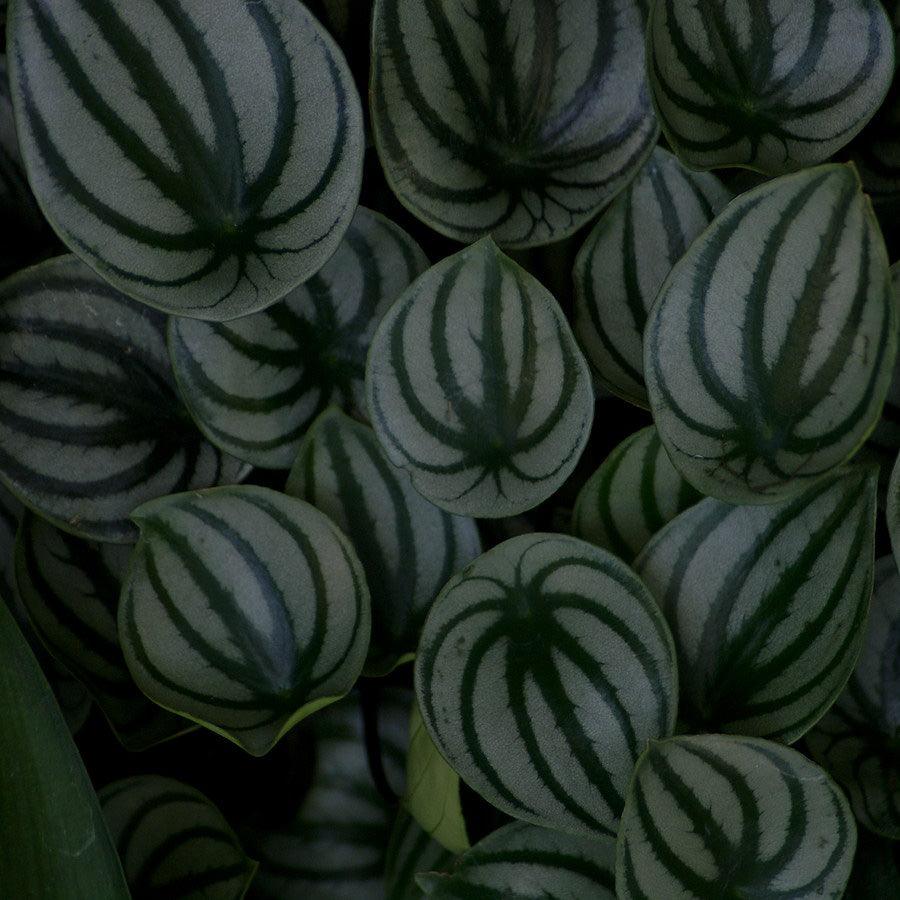
Peperomia
Peperomia spp.
With hundreds of varieties sporting succulent-like, rippled, or striped leaves, peperomia offers remarkable variety. Compact, slow-growing, and non-toxic — a great desk or shelf plant in any light condition.
🛒 Shop Peperomia07 / 20
Calathea (Prayer Plant)
Calathea spp.
Prized for their stunning patterned foliage that folds upward at night. These pet-safe plants prefer indirect light and high humidity. Beautiful, dramatic, and completely safe for curious cats and dogs.
🛒 Shop Calathea08 / 20
Ponytail Palm
Beaucarnea recurvata
Its dramatic bulbous trunk and cascading long leaves make it a sculptural statement piece. Replaces the ZZ plant, which is toxic to pets. Thrives in indirect light and very low watering — ideal for forgetful plant owners with pets.
🛒 Buy at Bumble Plants09 / 20
Haworthia
Haworthia spp.
A compact succulent with striking striped or windowed leaves. Replaces the snake plant, which is toxic to pets. Haworthias thrive in low indirect light — far better adapted to dim conditions than most succulents — and are completely safe for cats and dogs.
🛒 Buy at Bumble Plants10 / 20
Swedish Ivy
Plectranthus australis
A lush trailing plant with scalloped bright-green leaves — the safe alternative to pothos for trailing, cascading displays. Replaces pothos, which is toxic to pets. Thrives in low-to-medium indirect light and is non-toxic to cats and dogs.
🛒 Buy at Bumble Plants11 / 20
African Violet
Saintpaulia spp.
Beloved for their velvety leaves and vibrant flowers in purple, pink, and white. Prefer bright indirect light (a north- or east-facing windowsill is ideal) and are non-toxic to both cats and dogs.
🛒 Shop African Violet12 / 20
Areca Palm
Dypsis lutescens
Elegant feathery fronds that bring a resort-like atmosphere indoors. Replaces the peace lily, which is toxic to pets. Areca palms are excellent air humidifiers, thrive in low-to-bright indirect light, and are fully non-toxic to cats and dogs.
🛒 Buy at Bumble Plants13 / 20
Friendship Plant
Pilea involucrata
Deeply textured, quilted leaves in rich bronze-green tones make this a striking and unusual houseplant. Replaces the fiddle leaf fig, which is toxic to pets. Prefers low-to-medium indirect light and is fully safe for cats and dogs.
🛒 Shop Pilea Moon Valley14 / 20
Chinese Money Plant
Pilea peperomioides
Round pancake-shaped leaves on slender stems create a charming, geometric silhouette. Thrives in low-to-medium light, propagates easily (great for sharing!), and is non-toxic to cats and dogs.
🛒 Buy at Bumble Plants15 / 20
Aloe Vera
Aloe vera
Valued for its soothing gel and architectural rosette form. Prefers bright indirect light and very well-draining soil. Non-toxic to cats and dogs when grown as an ornamental — and a handy natural first-aid plant for humans.
🛒 Buy at Bumble Plants16 / 20
Bird's Nest Fern
Asplenium nidus
Wide, ripple-edged fronds emanating from a central rosette give this fern a distinctly tropical look. Thrives in low-light, high-humidity conditions and is completely safe for cats and dogs.
🛒 Shop Ferns17 / 20
Rattlesnake Plant
Calathea lancifolia
Named for its long, lance-shaped leaves with dark spots resembling a rattlesnake's markings. A striking member of the Calathea family, it prefers low-to-medium light and high humidity. Completely non-toxic to pets.
🛒 Shop Calathea18 / 20
Blue Echeveria
Echeveria glauca
A beautiful rosette succulent with silver-blue fleshy leaves and coral-tipped edges. Replaces philodendron, which is toxic to pets. Thrives in bright indirect light on a windowsill and is fully non-toxic to cats and dogs.
🛒 Buy at Bumble Plants19 / 20
Christmas Cactus
Schlumbergera spp.
Segmented flat pads that erupt with vivid tubular flowers in winter. Prefers bright indirect light and well-draining soil. A festive, low-maintenance, and genuinely pet-safe seasonal plant.
🛒 Buy at Bumble Plants20 / 20
Maidenhair Fern
Adiantum spp.
Delicate, fan-shaped leaflets on wiry black stems create a feathery, ethereal look unlike any other houseplant. Thrives in low indirect light with high humidity and is non-toxic to both cats and dogs.
🛒 Shop Ferns
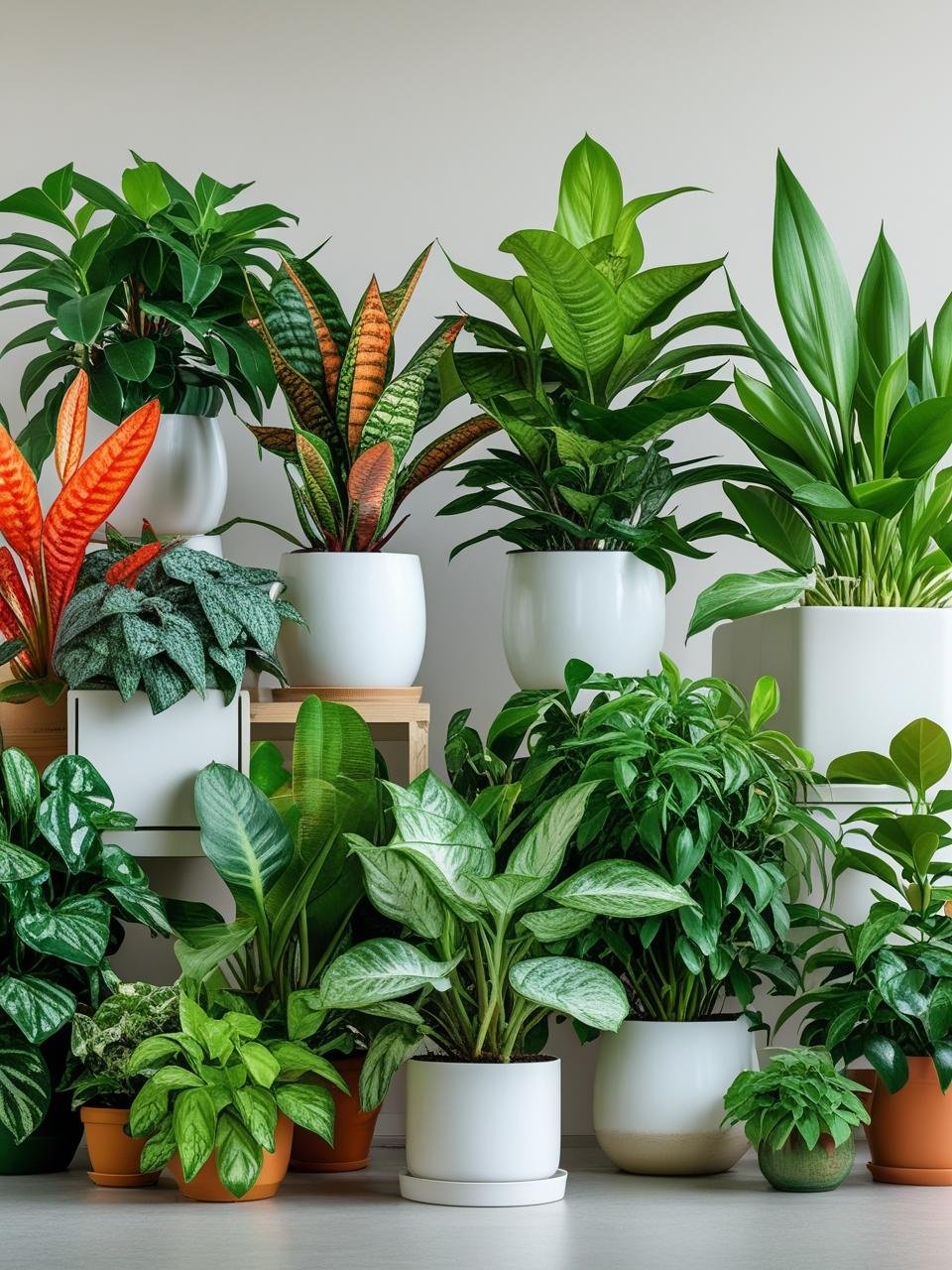
A bright indoor plant shelf featuring pet-safe palms, ferns, and calatheas. 📷 Unsplash
How to Care for Low-Light Houseplants
Low-light houseplants are generally more forgiving than sun-loving varieties, but they still have needs. Here are the essential care principles to keep your plants thriving.
Watering
Moderation is key. Low-light plants grow slowly and are more susceptible to root rot. Allow the top inch of soil to dry out between waterings. Always use room-temperature water. When in doubt, underwater rather than overwater.
Light
Indirect is best. Place near north- or east-facing windows for gentle, filtered light throughout the day. Keep away from direct afternoon sun, which scorches delicate foliage. Rotate quarterly for even growth.
Temperature & Humidity
Stable conditions. Most low-light houseplants prefer 60–75°F (15–24°C). Avoid drafts and heating vents. Ferns and tropical varieties thrive with added humidity — a pebble tray of water or a small humidifier helps enormously.
Pruning
Remove yellowing or dead leaves promptly to direct energy toward healthy growth. Prune sparingly — excessive pruning stresses slow-growing low-light varieties. Clean cuts with sterilized scissors.
Fertilizing
Feed lightly during growing season. Use a balanced water-soluble fertilizer diluted to half strength in spring and summer. Reduce or omit fertilizing in autumn and winter when plants enter dormancy.
Repotting
Repot every 1–2 years when roots begin circling the drainage hole. Choose a pot only 1–2 inches larger than the current one — oversized pots retain excess moisture and can cause root rot in low-light conditions.
Conclusion
Creating a pet-safe indoor garden is entirely possible — and this guide proves it. Every plant on this list has been verified as non-toxic by the ASPCA, and all thrive in the kind of low-to-medium indirect light found in most real homes. We've also corrected a common error found across many online plant lists: ZZ plants, snake plants, pothos, peace lilies, fiddle leaf figs, and philodendrons are not safe for pets, despite frequent claims to the contrary.
By choosing plants from this verified list, following sound placement and care practices, and cross-checking the ASPCA database before bringing any new plant home, you can cultivate a thriving, beautiful indoor garden that coexists peacefully with your cats, dogs, and any other beloved companions.
Build Your Pet-Safe Plant Collection
Every plant here is ASPCA-verified non-toxic and adapted to real-world low-light homes. Start with a parlor palm, a spider plant, and a calathea — and grow from there.